
Home
Join Our Newsletter
Enter your email and we'll keep you posted with news and updates!
[fluentform id="4"]
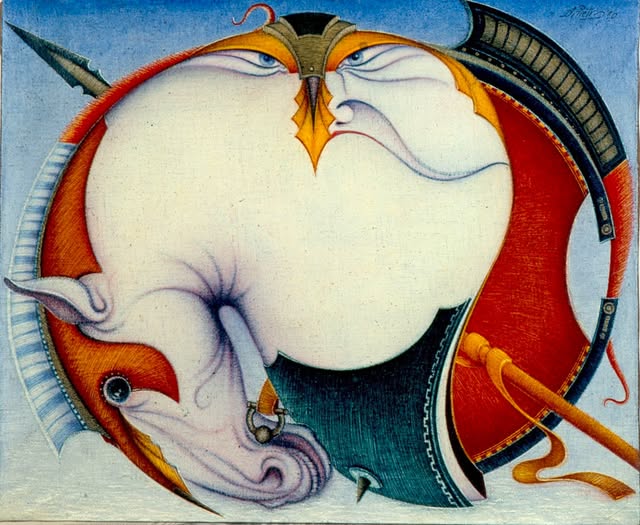
BRUNO DI PIETRO
Sin dalle sue origini, la terapia psicoanalitica ha mostrato una profonda vicinanza al linguaggio dell’arte, fino a configurarsi come un territorio di confine in cui le due discipline si intrecciano e si illuminano reciprocamente. Psicoanalisi e arte possono essere considerate, infatti, due forme di conoscenza dell’inconscio umano, due vie parallele che indagano la verità dell’interiorità.
Sigmund Freud riconosceva nell’artista una figura privilegiata: colui che, attraverso la creazione, riesce a dare forma a contenuti interiori profondi, trasformando pulsioni, desideri e conflitti in immagini condivisibili. L’arte diventa così una via di ritorno alla realtà, non come semplice imitazione, ma come elaborazione simbolica dell’esperienza psichica.
In questa prospettiva, l’artista è un soggetto capace di sublimare gli impulsi inconsci, indirizzandoli verso una forma espressiva che diventa socialmente accettabile e culturalmente riconosciuta. Ciò che nell’inconscio appare come tensione o desiderio, nell’opera si trasforma in linguaggio, forma e immagine.
Freud ha così contribuito a fondare una lettura dell’arte come processo profondamente legato alla vita psichica, individuando nell’attività creativa una possibile funzione terapeutica: l’arte come spazio di elaborazione dell’angoscia, ma anche come forma di liberazione e conoscenza di sé.
Da questa eredità emerge con forza il legame indissolubile tra psicoanalisi e arte: entrambe indagano l’invisibile, entrambe cercano di rendere dicibile ciò che nasce nell’ombra della coscienza.
Psychoanalysis and Art
Since its origins, psychoanalytic therapy has shown a profound closeness to the language of art, to the point of becoming a field in which both disciplines intertwine and mutually illuminate one another. Psychoanalysis and art can be understood as two parallel forms of knowledge of the human unconscious, two ways of investigating the truth of interior life.
Sigmund Freud regarded the artist as a privileged figure: someone who, through creation, is able to give form to deep inner contents, transforming drives, desires, and conflicts into shareable images. Art thus becomes a way of returning to reality, not as simple imitation, but as symbolic elaboration of psychic experience.
From this perspective, the artist is a subject capable of sublimating unconscious impulses, directing them toward an expressive form that becomes socially acceptable and culturally recognized. What appears in the unconscious as tension or desire is transformed in the artwork into language, form, and image.
Freud thus contributed to establishing an understanding of art as a process deeply connected to psychic life, identifying creative activity as a possible therapeutic function: art as a space for working through anguish, but also as a form of liberation and self-knowledge.
From this legacy emerges the strong and inseparable link between psychoanalysis and art: both explore the invisible, both seek to make speakable what is born in the shadow of consciousness.
